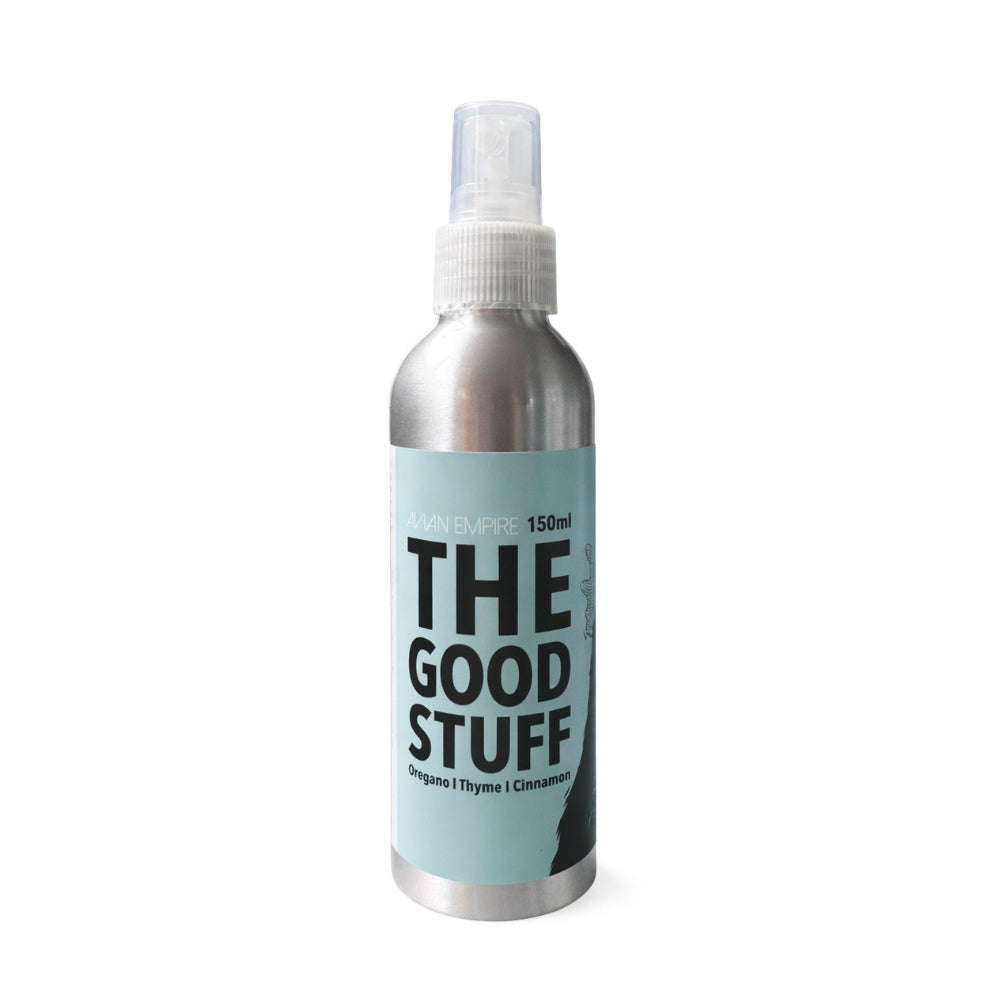
Natural Doesn't Always Mean Better: Rethinking "Natural" Bird Products
We love the word natural.
It appears everywhere in poultry keeping. Natural wormers. Natural mite treatments. Natural supplements. Natural disinfectants. And for many people, seeing that word immediately makes a product feel safer.
But what does "natural" actually mean?
And more importantly, does natural automatically mean safer or better for our birds?
By Jemma McLean

Natural is not the same as safe
There is a common assumption that natural products are gentle, while chemicals or medications are harsh.
Biology isn't quite that simple.
Some of the most toxic substances we know occur naturally. Plants, fungi and bacteria produce an enormous range of chemicals, many of which evolved specifically to deter, poison or kill other organisms.
At the same time, many medicines are remarkably safe when they're used correctly.
Whether something is natural tells us surprisingly little about its safety. What matters much more is what the substance actually does and how much of it the bird is exposed to.

Everything is made of chemicals
"Chemical" has become a slightly scary word, but everything around us is chemistry.
Water is a chemical. Salt is a chemical. The turmeric, garlic, oregano and herbs growing in your garden are all made from chemicals.
When a plant has a medicinal effect, it isn't working because it is "natural". It's working because it contains biologically active chemical compounds that interact with the body.
That isn't necessarily a bad thing. In fact, it's exactly what makes many plants interesting.
But if something is biologically active enough to produce a beneficial effect, we should also be interested in its dose, side effects and potential toxicity.

The dose changes everything
One of the most important principles in toxicology is that the dose makes the poison.
A substance can be harmless at one dose and dangerous at another.
This becomes particularly important when we start concentrating natural ingredients.
A chicken pecking at oregano growing in the garden is very different from giving that chicken concentrated oregano essential oil.
The original plant may contain relatively small amounts of its active compounds. An extract or essential oil can contain those same compounds at much higher concentrations.
It may still be natural, but the exposure is no longer particularly natural.

Natural doesn't necessarily mean effective
This is where the word can become problematic in poultry health.
Imagine a chicken has a significant worm burden.
One treatment is marketed as a "natural wormer". Another is a conventional worming medication.
Choosing the natural option simply because it sounds gentler doesn't answer the most important question:
Does it actually control the worms?
If it doesn't, the bird may continue living with parasites that cause weight loss, intestinal damage, anaemia or other health problems.
Sometimes the consequences of an ineffective treatment are more significant than the risks associated with using an effective medication correctly.
The same applies to mites, coccidiosis, infections and many other poultry health problems.

Natural products can still be excellent
None of this means natural products are bad.
Far from it.
There are some incredibly interesting plant compounds being investigated and used in animal health. Phytogenics, essential oils, plant extracts and other naturally derived compounds may have valuable roles in nutrition, gut health, parasite management and disease prevention.
The important distinction is why we're choosing them.
A product shouldn't get a free pass simply because it is natural. And a conventional product shouldn't automatically be considered harmful because it isn't.
Both deserve the same questions.

Ask better questions
Rather than asking:
"Is this natural?"
Try asking:
- What is actually in it?
- How does it work?
- Is there evidence that it works?
- What dose is required?
- Is that dose safe for birds?
- How concentrated is the product?
- What are the possible side effects?
- What happens if the treatment doesn't work?
These questions tell us far more about a product than the word "natural" ever will.
Natural is a description, not a safety rating
There is nothing wrong with wanting to reduce unnecessary medication or looking for gentler ways to manage poultry health. In many situations, that's a very sensible goal.
But natural doesn't automatically mean safe, and synthetic doesn't automatically mean dangerous.
Ultimately, we should choose products because they are appropriate, effective and safe for the birds we're caring for.
Not simply because of the word written on the bottle.