Winter is when small issues in backyard flocks often turn into much bigger problems. Wet ground, dirty bedding, poor ventilation, mites, worms and respiratory disease can all build up quickly during colder weather. A good winter setup is mostly about prevention.
Start with the coop
Before the weather becomes consistently wet, do a full clean-out. Remove old bedding, scrape manure from perches, nest boxes and corners, and physically remove as much dirt and organic material as possible. A proper clean should include a detergent wash to remove grease and biofilm, followed by an appropriate sanitiser once surfaces are clean (Be sure to keep a look out for the Avian Empire Cleaner coming out soon!).
Winter is also peak time to check for mites. Look carefully in cracks, perch ends, nest boxes and joins in timber. Seal gaps where mites hide, remove unnecessary perches, and consider coating the inside of the coop with a washable, bird-safe cured coating such as marine paint to make future cleaning easier. Replace bedding with clean, dry material and ensure there is good airflow without cold draughts blowing directly onto birds.
Improve drainage and muddy areas
Constant exposure to wet mud can lead to bumblefoot, footpad burn, dirty feathers and birds generally struggling to thrive. Where possible, maintain grass or vegetation cover. In muddy areas, provide dry standing zones using gravel, pallets, shelters or raised surfaces so birds can get off the wet ground.
Stay on top of parasites
Cleaning the coop helps reduce parasite pressure, but fecal egg counts are still strongly recommended going into winter. Worm egg shedding can be inconsistent, so repeated or pooled samples are often more useful than a single sample. Tapeworms also do not always show reliably on fecal egg counts and may need separate consideration when planning parasite control.
Watch for respiratory disease
Winter commonly brings an increase in respiratory disease, particularly mycoplasma and infectious bronchitis IB. These conditions can occur together, with infectious bronchitis damaging the respiratory tract and secondary infections following afterwards. Watch closely for sneezing, coughing, swollen eyes, nasal discharge, reduced laying, poor growth or birds appearing fluffed up and lethargic.
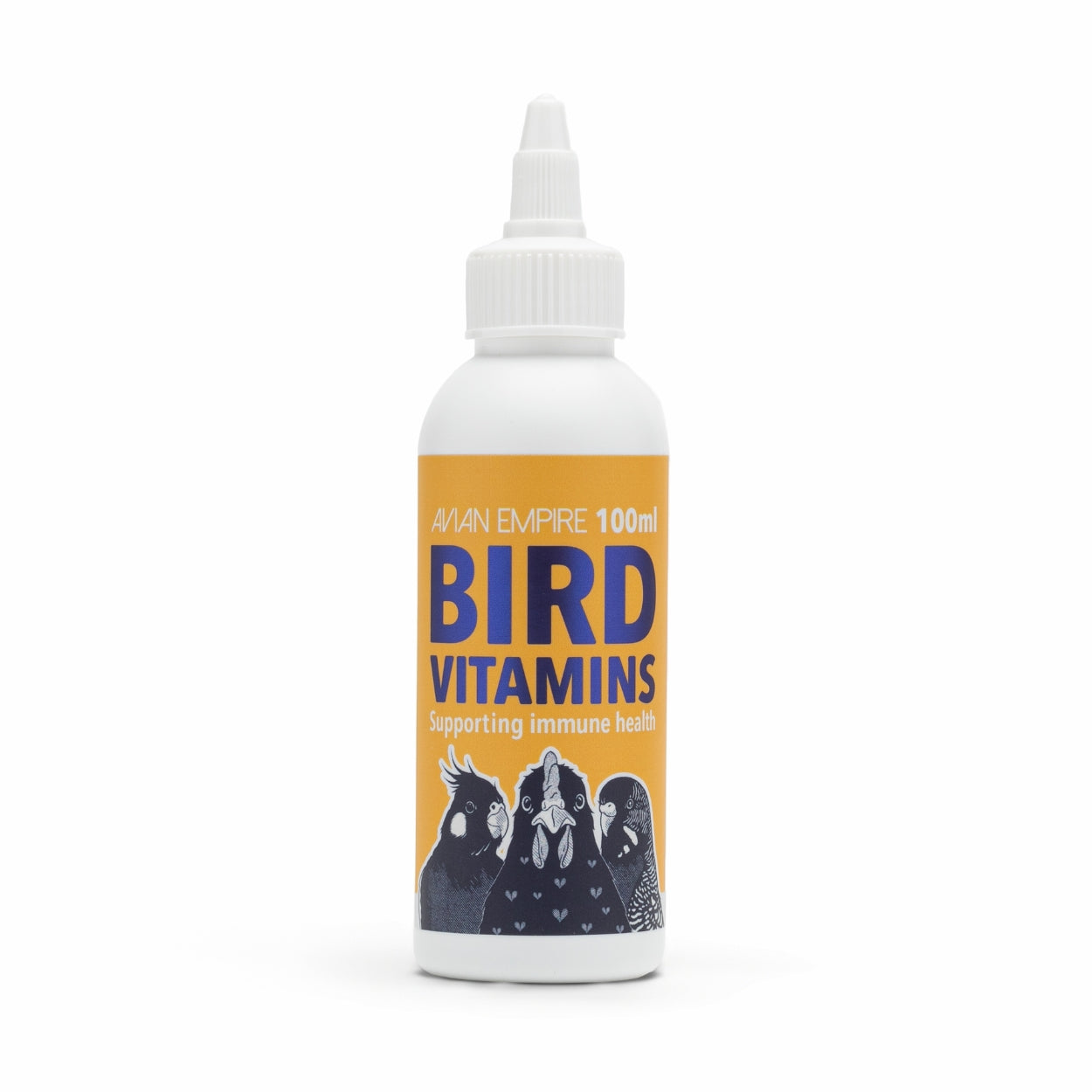
With shorter days and less sunlight, some birds may also benefit from additional vitamin support, particularly adequate vitamin D. At the end of the day, a clean, dry, well-ventilated setup is still the best winter medicine.